Lab test · Preventative labs
Ferritin Levels in Women: Low Ferritin Symptoms and Range
Short answer
Ferritin is the blood test for stored iron. MedlinePlus gives a typical female range of 13 to 150 ng/mL, and ranges vary by lab, but the American Gastroenterological Association uses 45 ng/mL, not 15, to diagnose iron deficiency in people with anemia. Heavy periods are a common cause in women. Inflammation can push ferritin up and make low iron stores look normal.
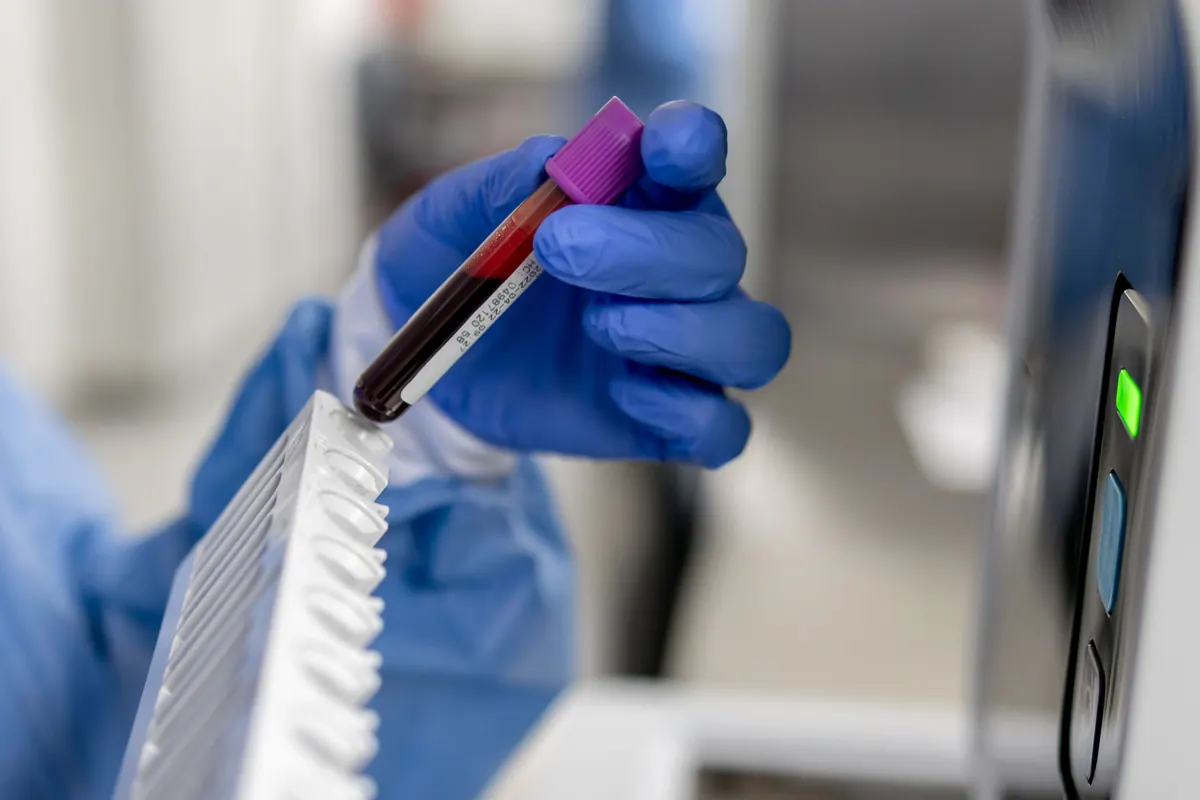
What does a ferritin test measure?
It measures ferritin, the protein that stores iron, which makes it the most direct routine blood marker of your iron reserves. MedlinePlus describes the ferritin test as a measure of how much iron is stored in the body and recommends it for women at higher risk of deficiency, including those with heavy menstrual bleeding, pregnancy, low body weight or poor absorption from bowel disease or stomach surgery.
The same page suggests testing at-risk women before symptoms develop, rather than waiting for anemia to appear on a blood count.
What is a normal ferritin level for women?
The MedlinePlus encyclopedia lists a typical female range of 13 to 150 ng/mL, against 30 to 400 ng/mL for men, and notes that ranges vary slightly among laboratories. It adds a line worth remembering: the lower the ferritin level, even within the normal range, the more likely it is that iron stores are not adequate.
| Ferritin result | How it is commonly read |
|---|---|
| Below the lab’s lower limit | Iron deficiency is very likely |
| Above the lower limit but under 45 ng/mL, with anemia | Meets the AGA cutoff for iron deficiency |
| Mid-range, with inflammation or illness | May overstate true iron stores |
| Above the upper limit | Look for inflammation, liver disease or iron overload |
Which ferritin cutoff means iron deficiency?
That depends on which guidance you follow, and the debate is real. In its 2020 guideline, the American Gastroenterological Association recommends a cutoff of 45 ng/mL over 15 ng/mL when ferritin is used to diagnose iron deficiency in people with anemia. A higher threshold catches more women with depleted stores; a lower one is more certain but misses more.
Inflammation complicates every cutoff. MedlinePlus lists inflammation from infection or surgery, autoimmune disorders, liver disease, obesity, alcohol use disorder, hyperthyroidism and cancer as causes of higher ferritin. In those situations a “normal” ferritin can hide low stores, so clinicians lean on the companion tests below.
Can low iron cause symptoms before anemia?
It can, although mild deficiency often causes none. The National Heart, Lung, and Blood Institute notes that mild or moderate iron-deficiency anemia may cause no symptoms, while more serious deficiency brings tiredness, shortness of breath, dizziness, cold hands and feet and pale skin.
Hair is a frequent question. The American Academy of Dermatology names a shortage of iron as one reason hair can thin, next to thyroid disease, and says regrowth is possible once the missing nutrient is replaced.
Why are heavy periods the usual cause in women?
Because every heavy period removes iron faster than food replaces it. NHLBI lists heavy menstrual periods and bleeding during childbirth among the main kinds of blood loss that lead to iron-deficiency anemia, together with bleeding in the digestive tract, regular use of aspirin or NSAIDs, and problems absorbing iron from celiac disease, inflammatory bowel disease or weight loss surgery.
In a woman past menopause, or one without heavy periods, low ferritin prompts a search for a source elsewhere, which is the setting the AGA guideline was written for.
Emergency care: if bleeding fills a pad or tampon each hour for over two hours in a row, or you feel dizzy while bleeding, get emergency care right away; this is not a lab question.
Which tests go with ferritin?
Ferritin is read beside a blood count and an iron panel. MedlinePlus groups the iron tests as serum iron, transferrin, total iron-binding capacity (TIBC) and ferritin. A complete blood count shows whether anemia is present.
Timing matters a little for this panel. MedlinePlus notes that blood iron varies through the day and may be higher in the morning, and that your provider may ask you to fast for 12 hours, so iron studies are usually drawn early.
How fast does ferritin recover with iron?
Stores refill slowly. MedlinePlus explains that anemia often improves after 6 weeks of iron therapy, but iron usually has to continue for another 6 months to replace the body’s stores. Ferritin is the number that shows whether that refill has happened, which is why it is rechecked after a course rather than a week in. Your clinician sets the dose and form, and MedlinePlus notes that iron can also be given through a vein.
Does our clinic test ferritin?
Yes. Ferritin and iron studies are a standard part of our women’s preventative lab panel, drawn with the CBC, thyroid tests and vitamin D and B12, which helps separate an iron problem from the thyroid and vitamin causes of fatigue and shedding. Our page on vitamin D levels and testing covers another marker in that draw. If heavy bleeding comes with other cycle changes in your 40s, the estradiol levels page explains the hormone side.
Tell us on the free ten-minute call how heavy your periods are and whether you take iron already, and book an early slot if a fast is needed. If tiredness is your main concern and you are not sure where to start, try the assessment.
We collect the sample when you come in and a provider reviews the iron picture with you once results land, normally within 24 to 48 hours. That visit is an evaluation, so it explains your numbers and options without assuming a treatment. When you are ready, book a consultation; the lab test index lists related markers.
