Answer · Preventative labs
What Day of Your Cycle Should You Test Hormones?
Short answer
Draw FSH and estradiol early in the cycle, on day 2, 3 or 4. Draw progesterone about one week before your next expected period, which is day 21 only in a 28-day cycle. Draw testosterone in the morning, between 7 and 10 a.m. AMH stays fairly steady across the cycle, so its timing matters much less. Irregular or absent periods change the plan.
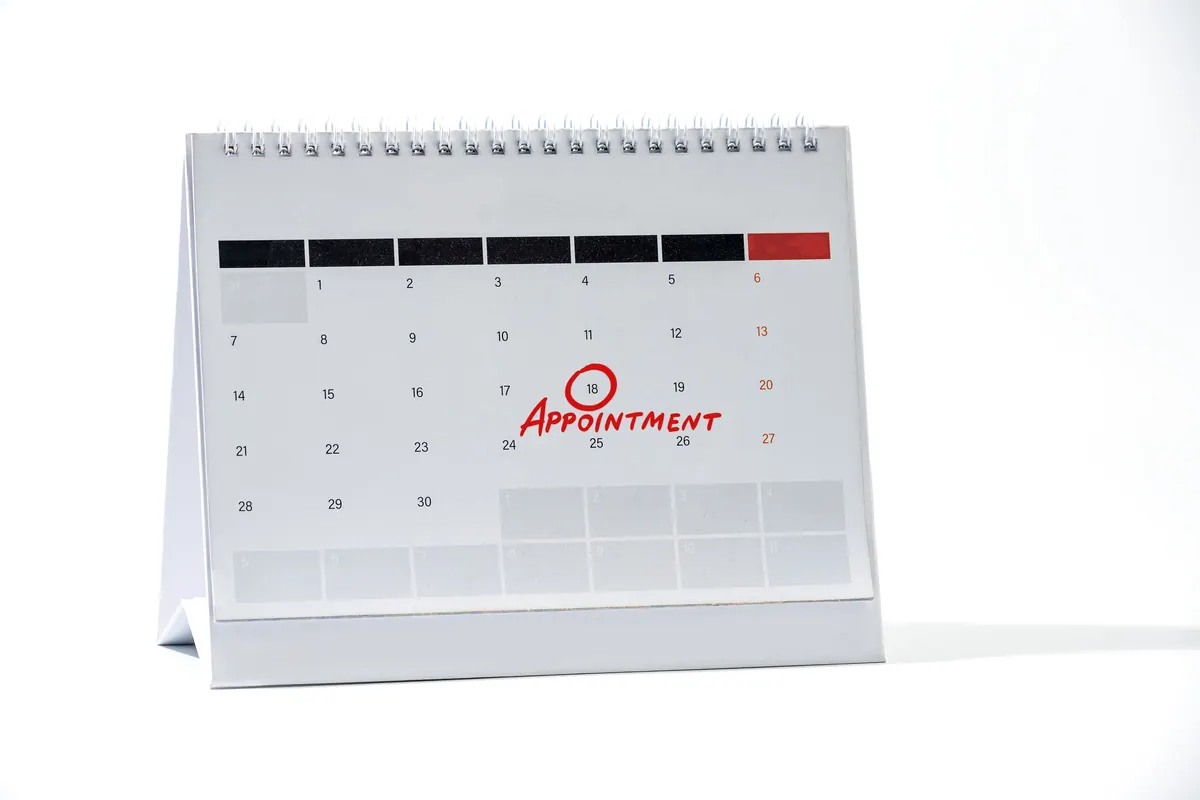
Why does the cycle day change a hormone result?
Because several reproductive hormones rise and fall on a monthly schedule, the same woman can produce a “high” and a “normal” result one week apart. MedlinePlus notes that women who have periods may need FSH tested at a specific time in the cycle because FSH changes throughout the month. Timing a draw correctly is what lets the number be compared with a published range.
| Test | When to draw it | Why that timing |
|---|---|---|
| FSH and estradiol | Cycle day 2, 3 or 4 | Basal levels are read in the early follicular phase |
| Progesterone | About 7 days before the next expected period | It peaks after ovulation, in the luteal phase |
| Total testosterone | Morning, 7 to 10 a.m. | Levels are typically highest then |
| 17-hydroxyprogesterone | Early morning, follicular phase | Used to screen for nonclassic adrenal hyperplasia |
| AMH | Any cycle day | Levels are relatively steady within a cycle |
Which day is used for FSH and estradiol?
Day 2, 3 or 4, counting the first day of bleeding as day 1. The American Society for Reproductive Medicine describes basal FSH as elevated on day 2, 3 or 4 in women with diminished ovarian reserve, and recommends reading estradiol from the same draw. An early rise in estradiol can push FSH down and make it look falsely reassuring, which is why the two are interpreted together.
Even a perfectly timed draw has limits. ASRM points out that FSH has significant variability within and between cycles, which limits the reliability of a single measurement. One result that sits near the cutoff is often repeated in a later cycle before anyone draws a conclusion.
When should progesterone be drawn if your cycle is not 28 days?
About one week before your next period is due, whatever day that falls on. ASRM’s 2026 committee opinion says a serum progesterone should generally be drawn about 1 week before the expected onset of the next menses, rather than on a fixed day such as day 21. The “day 21 test” assumes ovulation on day 14 of a 28-day cycle.
Work it out from your own cycle length. If your cycles run 32 days, the draw lands near day 25. If they run 25 days, it lands near day 18. The same ASRM document treats a value above 3 ng/mL as presumptive evidence that ovulation recently occurred. It adds that luteal progesterone can swing sevenfold within a few hours, which means one value can confirm ovulation but cannot grade the luteal phase. Our page on progesterone levels and the day 21 test explains how the result is read.
Which hormone tests can be drawn on any day?
AMH is the main reproductive hormone with relaxed timing. ASRM states that AMH levels remain relatively consistent within and between menstrual cycles, which is one reason it has largely replaced day 3 FSH in fertility clinics. The 2023 international PCOS guideline adds a caution that AMH may vary somewhat across the cycle and can be suppressed by current or recent use of the combined pill, so labs should apply assay-specific cutoffs.
Thyroid, iron, vitamin and metabolic markers are not tied to the reproductive cycle. Their preparation rules are about fasting, supplements and medicines rather than cycle day.
Does the time of day matter?
For some tests it matters as much as the cycle day. MedlinePlus advises taking blood for testosterone in the morning, between 7 and 10, when levels are typically highest. An afternoon testosterone result can read lower than your true morning value.
The Endocrine Society’s hirsutism guideline suggests screening women with high androgens for nonclassic congenital adrenal hyperplasia with an early morning 17-hydroxyprogesterone in the follicular phase, or on a random day if periods are absent or infrequent. The same guideline recommends an early morning total and free testosterone by a reliable specialty assay when hair growth suggests an androgen disorder.
What if your cycles are irregular or have stopped?
Then a cycle-day schedule stops making sense, and the plan changes. ASRM’s 2026 opinion says a history of infrequent or absent periods is clinically sufficient to establish ovulatory dysfunction, without further testing of ovulatory status. In that case progesterone testing adds little; the work shifts to finding the cause.
With irregular cycles, a few practical approaches are common:
- Draw progesterone after the fact. If a period arrives, a level drawn roughly a week before it tells you whether that cycle was ovulatory. Some women repeat the test over more than one cycle.
- Use a random day for markers without a cycle rhythm. The hirsutism guideline allows 17-hydroxyprogesterone on a random day when periods are absent or infrequent.
- Read FSH against symptoms and age. A raised FSH on an unplanned day is harder to interpret, so it is often repeated.
Irregular cycles with acne or excess hair point toward a specific panel; our page on PCOS blood tests and when to draw them covers that workup.
Who does this timing advice not fit?
It does not fit women whose own cycle is switched off or hidden. The combined pill suppresses ovulation and changes the hormones being measured, so day-counting on the pill does not produce a result that reflects your own cycle; the page on testing hormones while on birth control explains what stays reliable.
A hormonal IUD is different. The Mirena label states that ovulatory cycles with follicular rupture usually occur in women of fertile age using it, because its contraceptive effect is mainly local to the uterus. The ovaries keep cycling, but light or absent bleeding can remove the day 1 marker you would normally count from.
Pregnancy, fertility treatment and the months after giving birth follow separate testing rules, managed by the obstetric or fertility team.
How does our clinic time your draw?
When cycle day matters for the question you bring, we schedule the draw around it. Our women’s lab panel includes estradiol, progesterone, FSH, testosterone and SHBG alongside thyroid, iron, vitamin, metabolic and heart markers, and the provider decides which pieces need an early-cycle, luteal or morning slot. Markers without a cycle rhythm can be drawn the same day as your visit.
Tell us your usual cycle length and the date of your last period on the free ten-minute call, and we work backward from your next expected period. If it is unclear whether your symptoms even call for a timed test, the symptom assessment can help you decide what to raise.
Results return in 24 to 48 hours and are reviewed with you at a one-on-one consultation, either at San Gabriel or Downey or over video. The consultation evaluates what the numbers mean for you; it does not presume a treatment. Book a consultation when you know your cycle dates, or read more answers about women’s lab work.
