Comparison · Pelvic floor
Emsella vs Kegels: Can a Chair Replace the Exercises?
Short answer
No, the chair does not replace the exercises. Supervised pelvic floor muscle training has high-quality evidence for stress leaks and costs little, while the evidence for the Emsella chair comes from smaller studies with short follow-up. The chair is most useful for women who cannot find or contract their pelvic floor well, used alongside exercise so the gains are kept.
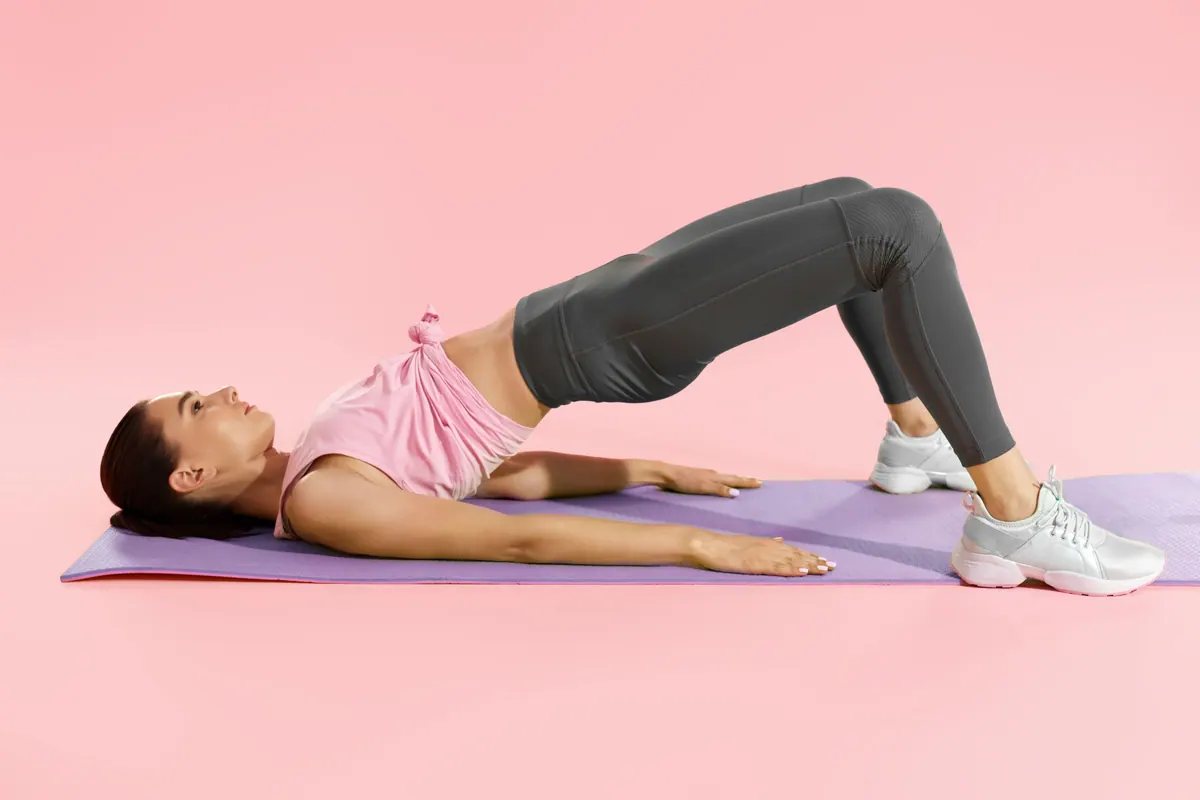
The verdict: who each option suits
Kegels, done correctly and checked by someone trained, suit almost every woman with stress or mixed leaks: they have the stronger evidence, need no equipment and can be done anywhere for life. The Emsella chair suits a narrower group: women who cannot locate or squeeze their pelvic floor on command, women who have trained properly without enough change, and women who want a supervised, fully clothed boost while they build the habit.
If nobody has ever checked your technique, that check costs the least of any next step and is worth doing before paying for a device. The chair is not a reason to skip the exercises. The fair comparison is “exercise alone” versus “exercise plus the chair”, and that question has not yet been settled by large trials.
Emsella and Kegels side by side
| Pelvic floor exercises (Kegels) | Emsella chair | |
|---|---|---|
| How the muscle contracts | You squeeze it voluntarily | A magnetic field triggers contractions without effort |
| Evidence for stress leaks | Cochrane review of 31 trials; high-quality evidence for women reporting they were dry | Small, mostly uncontrolled studies; meta-analysis flags heterogeneity and possible bias |
| Need to find the muscle yourself | Yes | No |
| Time | A few minutes, three times a day, ongoing | Six 28-minute sessions over three weeks is typical |
| Where | Anywhere | In clinic |
| Cost | Free once learned; supervision visits cost extra | Paid per course of sessions |
| Trains relaxation and timing | Yes, with good teaching | No |
| Reported downsides | Overdoing it can cause straining or vaginal tightness | Temporary muscle soreness, tingling, skin redness |
| After the course | Continue for life | Maintenance sessions are offered; long-term durability is not established |
How Kegels work and what the evidence shows
A Kegel is a deliberate squeeze and lift of the muscles you would use to stop urine or hold in gas, followed by full relaxation. Over weeks, repeated contractions strengthen the muscle and improve the reflex that closes the urethra during a cough.
The 2018 Cochrane review pooled 31 trials with 1,817 women. Among women with stress leaks, 56% of those who trained reported their leaks had resolved, compared with 6% of untreated women, and 74% against 11% reported resolution or improvement. Training also reduced leakage by about one episode a day. Adverse events were rare and minor. MedlinePlus says symptoms often lessen after 4 to 6 weeks, although it can take several months. For a step-by-step routine, see our guide on how to do Kegels correctly.
How the chair works and what the evidence shows
The chair’s coil produces a changing magnetic field that makes the pelvic floor contract repeatedly while you sit, clothed. The FDA cleared the device in 2018 to rehabilitate weak pelvic muscles for urinary incontinence, with therapy time of up to 30 minutes per session.
The pooled evidence is promising but soft. A 2025 meta-analysis of seven studies found fewer leak episodes and better questionnaire scores with the chair, while measured contraction strength and resting tone did not differ significantly between groups, and the authors flagged high heterogeneity and possible bias. Our page asking whether Emsella works goes through the individual studies.
Why so many women never get Kegels right
The main weakness of Kegels is not the exercise but the teaching. A Mayo Clinic Proceedings review cites a study in which 45% of adult women could not perform a voluntary pelvic floor contraction during a routine gynecologic exam. Common errors include pushing down instead of lifting, holding the breath, and squeezing the buttocks or thighs.
The same review makes a second point that matters here: the pelvic floor needs to relax and coordinate as well as contract, so good instruction teaches release as carefully as squeeze. A chair can make a woman feel a strong contraction, which may help some women recognize the muscle afterward, although that has not been measured. It cannot teach timing, relaxation or the “squeeze before you sneeze” reflex.
Does combining the two add anything?
Possibly, but the first controlled data are small. A 2026 pilot randomized trial gave 40 mothers with stress leaks either real or sham chair treatment, weekly for six weeks, with both groups also doing pelvic floor muscle training. Both groups improved on questionnaires and bladder-neck ultrasound, and there was no significant difference between groups over time. The group with real stimulation showed a within-group improvement on a one-hour pad test. The authors called for larger, longer trials. Weekly sessions for six weeks also differ from the usual twice-weekly course, so the pilot does not show what the standard schedule adds.
That result fits a sensible plan: exercise as the base, with the chair added when a woman cannot make progress on her own. For women whose problem is pain or coordination rather than weakness, our comparison of Emsella and pelvic floor physical therapy explains why hands-on therapy comes first.
Risks of each approach
Both options are low risk, with different downsides. MedlinePlus cautions that overdoing Kegels can lead to straining when you urinate or move your bowels, and that squeezing incorrectly or too forcefully may tighten the vaginal muscles enough to cause pain during sex. The chair’s listed effects are temporary muscle pain or spasm, joint or tendon aches, skin redness and increased sensitivity during intercourse. The chair is avoided in pregnancy and with pacemakers or metal implants near the pelvis; Kegels have no such exclusions, though women with a tight pelvic floor need a different program.
How we help you choose at our clinic
A provider starts by checking how your pelvic floor actually works: whether you can contract it, how strongly, whether it relaxes fully, and whether prolapse or tissue thinning is part of the picture. That exam is done in person at San Gabriel or Downey. If you can contract the muscle, the first step is usually a properly taught home program. If you cannot, or if months of practice have not helped, adding a chair course is a reasonable next step, with exercise continuing alongside it.
Read how the pelvic floor program combines exercise, the chair and vaginal estrogen, browse more comparisons, or try the symptom assessment to sort out what is behind your leaks. Begin with the free ten-minute call; a provider then evaluates you and works out with you which approach fits. Book a consultation to set that up.
