Answer · Medical weight loss
GLP-1 Maintenance Dose: Staying on Less Long Term
Short answer
A maintenance dose is the weekly dose you stay on once weight loss levels off. The Wegovy label allows 1.7 mg or 2.4 mg of semaglutide, and the Zepbound label 5, 10 or 15 mg of tirzepatide. In the SURMOUNT-MAINTAIN trial, stepping down to tirzepatide 5 mg kept more weight off than stopping, but less than staying on the full dose. Off-label lower or rarer doses are largely untested.
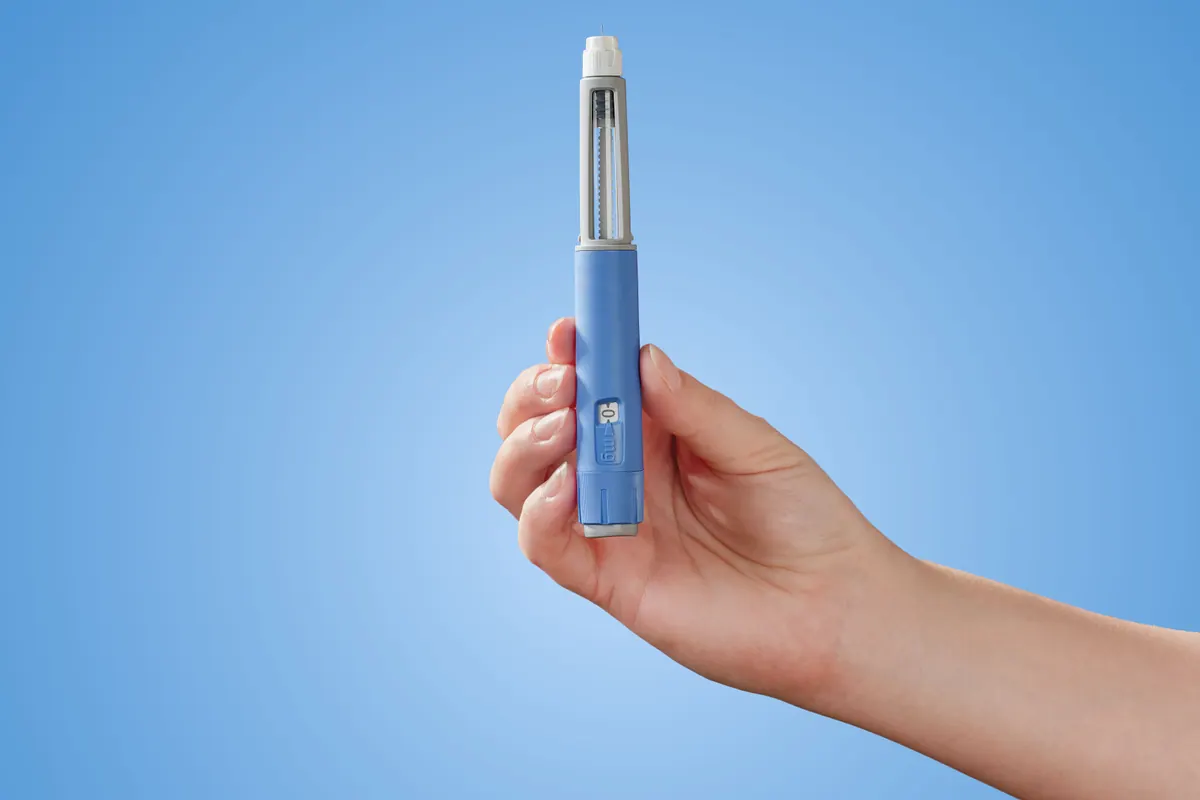
What maintenance doses do the labels allow?
Each label sets a starting dose, a series of four-week steps, and a short list of doses meant for the long term. The starting doses are there to reduce nausea while your body adjusts; they are not designed to be stayed on.
| Medicine | Starting dose | Label maintenance doses | Notes |
|---|---|---|---|
| Semaglutide injection (Wegovy) | 0.25 mg weekly for 4 weeks | 1.7 mg or 2.4 mg weekly (2.4 mg recommended) | Up to 7.2 mg weekly if 2.4 mg is tolerated for 4 weeks and more weight loss is needed |
| Tirzepatide injection (Zepbound) | 2.5 mg weekly for 4 weeks | 5 mg, 10 mg or 15 mg weekly | 10 or 15 mg for sleep apnea; 15 mg is the maximum |
The Wegovy label tells clinicians to weigh treatment response and tolerability when choosing between maintenance doses. The Zepbound label uses the same wording, and Lilly’s own self-pay page states that 2.5 mg is a starting dose and is not approved for maintenance.
So the labeled floor for long-term use is 1.7 mg of semaglutide or 5 mg of tirzepatide. Anything below those is a starting step, not a maintenance option.
Does stepping down to a lower dose keep the weight off?
For tirzepatide, a randomized trial now gives a partial answer. In SURMOUNT-MAINTAIN, 441 adults first took tirzepatide at their maximum tolerated dose, 10 or 15 mg, for 60 weeks. Then 378 of them were randomly assigned to stay on that dose, drop to 5 mg, or switch to placebo for another 52 weeks. About two-thirds of participants were women.
| Group, weeks 60 to 112 | Total change from the start | Needed rescue treatment for regain |
|---|---|---|
| Stayed on full dose | Minus 21.9% | 8% |
| Stepped down to 5 mg | Minus 16.6% | 25% |
| Switched to placebo | Minus 9.9% | 67% |
Rescue tirzepatide was offered from week 84 to anyone who regained more than half the weight they had lost. The authors concluded that continuing the full dose maintained the loss most fully, and that dropping to 5 mg “might provide a valuable alternative to discontinuation,” while noting individual responses vary.
We found no comparable randomized trial of stepping down from 2.4 mg to 1.7 mg of semaglutide for maintenance. That choice is made on the label’s response and tolerability guidance and on how your own weight behaves.
How much evidence is there for off-label schedules?
These approaches are outside the label and have almost no evidence behind them. A 2026 case series described 30 adults who switched from weekly semaglutide or tirzepatide to dosing usually every other week, at the same dose, after their weight had plateaued. Over an average of 36 weeks their weight stayed stable or fell slightly. It was retrospective, small and had no comparison group, so it shows the idea is worth studying, not that it works.
The Wegovy label’s missed-dose rules matter here. If two or more weekly doses are missed in a row, it says to build the dose up again from a lower step to reduce stomach side effects. Stretching the interval on your own can therefore mean more nausea, not less. Doses below the starting step are a separate question, covered in our answer on microdosing semaglutide.
How does a clinician find the lowest dose that holds your weight?
By changing one thing at a time and watching closely. There is no published protocol for this, so the approach is cautious and individual.
- Confirm the plateau. Weight has been stable at a level you and your clinician are happy with, usually for several months.
- Check what else is doing the work. Protein, strength training, sleep and activity are in place, because these carry more of the load when the dose falls.
- Step down within the label. For tirzepatide, that can mean moving from 15 or 10 mg toward 5 mg; for semaglutide, from 2.4 mg to 1.7 mg.
- Weigh regularly and agree a limit. Decide in advance how much regain would prompt a return to the previous dose. SURMOUNT-MAINTAIN used regain of more than half the lost weight as its rescue point; your own limit can be tighter.
- Review at each check-in. Hunger, food thoughts, side effects and strength are discussed along with the scale.
Never change your dose without your clinician; the dose is always theirs to set.
What keeps the weight off when the dose comes down?
The same habits that protect muscle during loss. Trial participants were not left on their own: in the two-year STEP 5 trial, everyone received behavioral support, and weight loss on semaglutide plateaued after about week 60 and was then maintained through week 104.
The practical pieces are regular protein through the day, strength training at least twice a week, steady activity and good sleep. Our guide to protein targets on a GLP-1 covers the first. For women over 50, keeping bone and muscle in the plan matters as much in maintenance as in the loss phase, a point our answer on GLP-1 medicines after 50 explains.
How we handle the maintenance phase at our clinic
Maintenance is planned from the start of treatment, not improvised at the end. In our GLP-1 weight program, monthly check-ins continue after your weight levels off, and your provider reviews whether your current dose, a lower labeled dose, or a planned stop fits your goals, side effects and budget.
Labs such as A1c, lipids and kidney function are repeated when they help show whether the health gains are holding. If regain starts, it is picked up early and the plan is adjusted with you.
Cost is part of that conversation, because maintenance can last years. Medication is usually the largest piece. As a general US reference, not our pricing, Novo Nordisk’s Wegovy price guide for November 2026 lists the same monthly self-pay price for every pen strength from 0.25 mg to 2.4 mg, so stepping down within that range does not change the drug bill there, while Lilly prices Zepbound 5 mg below its higher strengths.
Unsure whether you are ready to step down? The online assessment helps you list what to raise. Practical questions about cost and visits are answered on the free ten-minute call; labs are drawn at San Gabriel or Downey, and follow-ups can be by video. Book a consultation, or browse our weight and hormone answers.
