Answer · Medical weight loss
Microdosing Semaglutide: Does a Smaller Dose Work?
Short answer
There is no trial evidence that microdosing semaglutide, meaning doses below the labeled steps or stretched intervals, works for weight loss, inflammation or longevity. In a dose-ranging trial, lower doses produced less weight loss than higher ones. The practice grew around compounded vials, which are not FDA-approved, and FDA has received reports of overdoses from measuring errors. The boxed warning and other risks apply at any dose.
What does microdosing semaglutide mean?
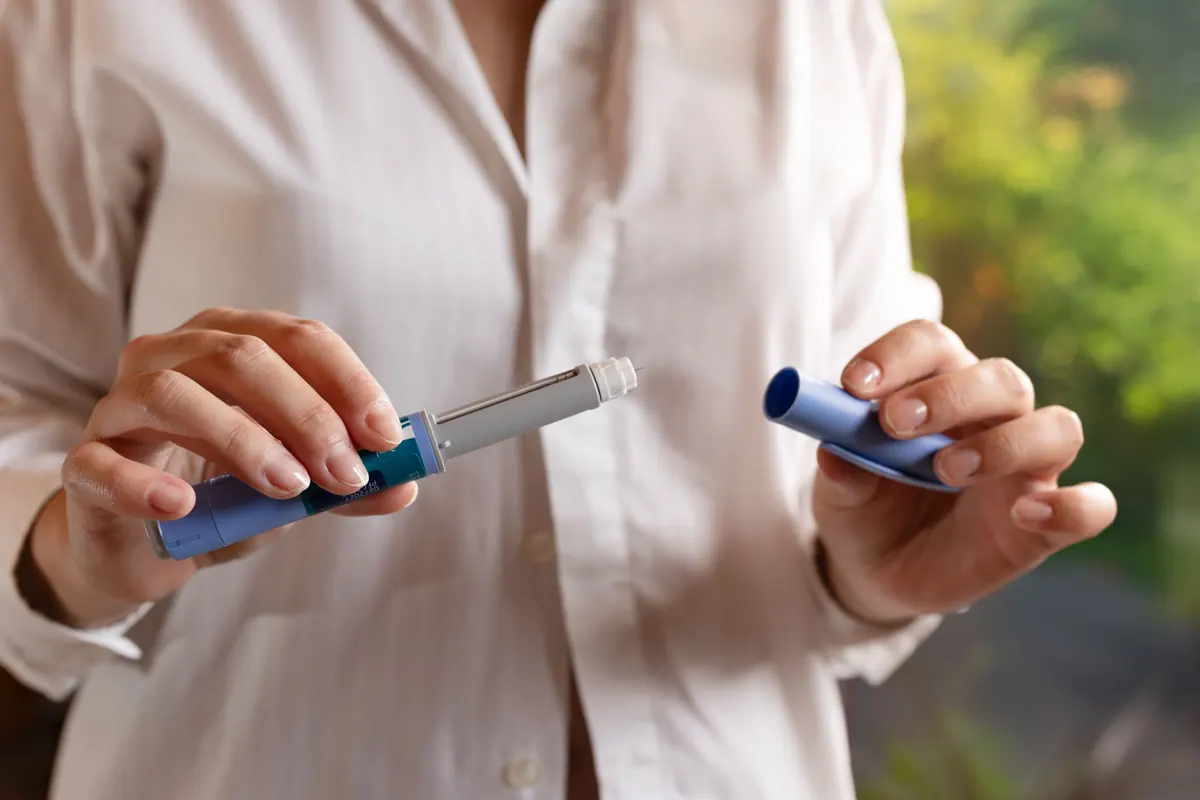
Microdosing is an informal term, not a medical one. It usually means taking semaglutide at a dose below the labeled steps, such as a fraction of the 0.25 mg starting dose, or spacing injections further apart than once a week. Some people use it to try to keep appetite control with fewer side effects; others are sold it as a way to reduce inflammation or slow aging.
None of these schedules appears on the Wegovy label. The label starts at 0.25 mg weekly for 4 weeks, then steps up every 4 weeks through 0.5, 1 and 1.7 mg to a maintenance dose of 1.7 or 2.4 mg, with 7.2 mg available for some adults. Anything below or between those, or less often than weekly, is off-label.
Is there evidence that a smaller dose works?
Not for the way microdosing is used today. No randomized trial has tested sub-starting weekly doses of semaglutide for weight loss, inflammation or longevity.
The closest data come from a dose-ranging phase 2 trial that gave 957 adults with obesity daily injections of semaglutide at five different doses for 52 weeks. Weight loss rose with the dose:
| Daily semaglutide dose | Average weight change at 52 weeks |
|---|---|
| Placebo | Minus 2.3% |
| 0.05 mg | Minus 6.0% |
| 0.1 mg | Minus 8.6% |
| 0.2 mg | Minus 11.6% |
| 0.3 mg | Minus 11.2% |
| 0.4 mg | Minus 13.8% |
Two lessons follow. Even the smallest dose beat placebo, so low doses are not inert. But each step down gave up a meaningful share of the effect, and stomach side effects were dose-related. The trial used daily injections with gradual escalation, so its numbers do not translate into any particular weekly microdose.
We found no trial supporting claims that tiny doses calm inflammation, improve energy or extend life.
What can a low dose do, and what can it not do?
A low dose can reduce appetite somewhat, and some people notice that. What it cannot do is deliver the weight loss seen in the trials that support approval, which used maintenance doses of 1.7 mg or more. The label is explicit that the early steps exist to reduce the risk of stomach side effects while the body adjusts.
A low dose also does not remove the risks that come with the drug. The label’s boxed warning about thyroid C-cell tumors, its contraindication for anyone with a personal or family history of medullary thyroid cancer or MEN 2, and its warnings on pancreatitis and gallbladder disease are not tied to a minimum dose. Pregnancy planning rules, including stopping at least 2 months before trying to conceive, apply whatever dose you use.
For the labeled dose steps and how long each lasts, see our answer on the semaglutide dose schedule.
Why did microdosing depend on compounded vials?
Because approved pens deliver set doses, while vials let a person draw up almost any amount. When FDA issued its 2024 alert on compounded semaglutide dosing errors, approved semaglutide injections were dosed in milligrams, came in standard concentrations and were sold only as prefilled pens. Compounded products came in multiple-dose vials of varying strength, often with instructions written in “units.”
That supply has narrowed. FDA’s page on compounding policy as GLP-1 supply stabilized records that it declared the semaglutide shortage resolved on February 21, 2025, with enforcement discretion for outsourcing facilities ending on May 22, 2025. Semaglutide is now on neither the shortage list nor the bulk substances list for outsourcing facilities, and compounders may not routinely make what are essentially copies of an approved drug. Compounded semaglutide is not FDA-approved.
What has FDA said about dosing errors and unapproved products?
FDA has documented real harm. Its dosing-error alert describes patients who drew up five to 20 times the intended dose from multiple-dose vials, often because they were unfamiliar with syringes or confused milliliters, milligrams and units. In one pattern, patients told to inject 5 units injected 50. Some needed hospital care, with nausea, vomiting, abdominal pain, fainting, dehydration, pancreatitis and gallstones among the reported problems.
FDA’s page on concerns with unapproved GLP-1 drugs adds that, as of May 31, 2026, it had received 990 adverse event reports linked to compounded semaglutide, and that reporting is likely incomplete because many pharmacies are not required to submit them. It also warns against salt forms such as semaglutide sodium, which are different active ingredients from the approved drug, and against products labeled “for research purposes” or “not for human consumption” sold with dosing instructions.
Microdosing makes measuring harder, not easier: the smaller the intended amount, the larger the error from a misread syringe.
Who should be especially cautious?
Everyone considering it should be careful, and some women more than others:
- Anyone buying semaglutide online without an evaluation, or from a seller that offers vials without labeling in milligrams
- Women who could become pregnant, since the long half-life means the drug lingers for weeks
- Women with a history of pancreatitis or gallbladder disease
- Anyone with a personal or family history of medullary thyroid cancer or MEN 2
- Women already taking another semaglutide or GLP-1 product, which the label says not to combine
If you are taking hormone therapy as well, our answer on semaglutide and HRT together covers how the two interact. For the drug itself, including its approved uses and full warnings, see our semaglutide (Wegovy) medication page.
How we approach semaglutide dosing at our clinic
We follow the labeled dose steps and adjust within them. A provider reviews your health history, goals and side effects, and baseline labs cover blood sugar, insulin, cholesterol, thyroid and kidney function before the first injection.
In our weight loss program with semaglutide or tirzepatide, the weekly dose starts low and rises gradually to limit nausea, and you can stay on a step longer if you need to, which the label allows. Monthly check-ins decide whether to hold, increase or, later, settle on the lowest labeled dose that keeps your weight steady, with protein and strength guidance throughout.
Wondering whether medication suits you at all? The online assessment takes you through the questions a provider would ask. Our free ten-minute call covers logistics; blood draws happen at San Gabriel or Downey, and follow-ups can be by video. To go ahead, book a consultation, or keep reading our GLP-1 answers.
