Medication guide · Medical weight loss
Tirzepatide (Zepbound) for Women: How It Works, Results
Short answer
Tirzepatide, sold as Zepbound for weight and sleep apnea, is a once-weekly injection that activates two gut hormone receptors, GIP and GLP-1. In the SURMOUNT-1 trial, adults on the 15 mg dose lost an average of 20.9% of body weight over 72 weeks, versus 3.1% on placebo. It carries a thyroid tumor boxed warning and can make birth control pills less reliable.
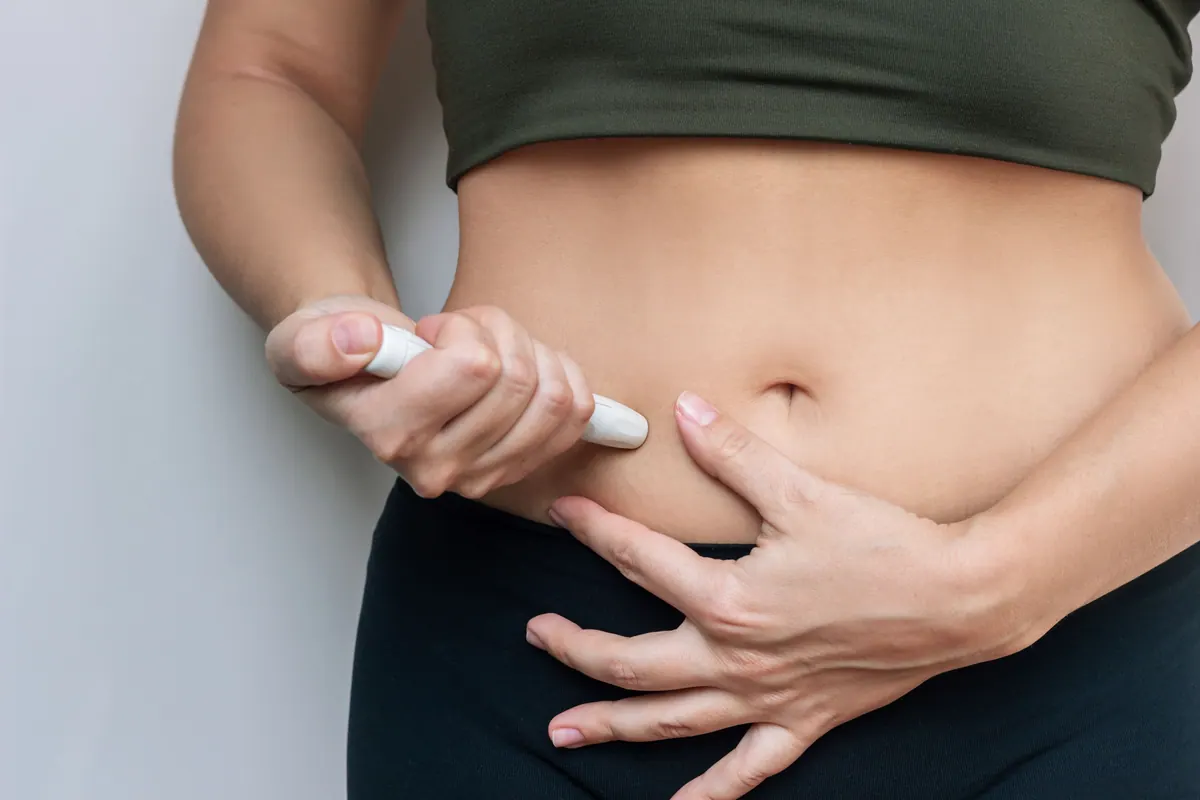
What is tirzepatide, and what is Zepbound approved for?
Tirzepatide is a weekly injection that switches on two hormone receptors instead of one: GIP (glucose-dependent insulinotropic polypeptide) and GLP-1. It was first approved in the US in 2022. Two brands carry it. Mounjaro is the type 2 diabetes brand, and Zepbound is the brand for weight and sleep apnea.
The Zepbound label, revised in November 2026, approves it alongside a reduced-calorie diet and more physical activity for two uses in adults:
- reducing excess weight and keeping it off, with obesity or with overweight plus at least one weight-related condition
- treating moderate to severe obstructive sleep apnea in adults with obesity
It is not meant to be combined with another tirzepatide product or any GLP-1 medicine. Whether your numbers and history fit those criteria is covered on our page about who qualifies for GLP-1 weight loss medication.
How does a dual GIP and GLP-1 agonist work?
GLP-1 is the body’s own appetite and fullness signal, and the label notes that animal studies point to GIP adding to the control of food intake. Receptors for both hormones sit in brain areas that govern hunger. A fatty side chain binds the drug to albumin in the blood, which stretches its half-life to about 5 days and makes weekly dosing possible.
In practice, tirzepatide lowers calorie intake, slows stomach emptying and, when blood sugar is high, raises insulin. The label states that the weight lost is weighted toward fat rather than lean tissue, though some muscle is still lost.
Dosing starts at 2.5 mg weekly for 4 weeks. That first dose exists to start treatment and is not approved for maintenance. After it, the dose can rise in 2.5 mg steps, each held at least 4 weeks, to a maintenance dose of 5, 10 or 15 mg for weight, or 10 or 15 mg for sleep apnea. The ceiling is 15 mg. Your clinician decides when, or whether, to step up.
What did SURMOUNT-1 and the sleep apnea trials show?
SURMOUNT-1 enrolled 2,539 adults with obesity, or overweight with a related condition, and no diabetes. After 72 weeks, average weight change was -15.0% on 5 mg, -19.5% on 10 mg and -20.9% on 15 mg, against -3.1% on placebo. Half or more of the people on 10 or 15 mg lost at least 20% of their weight, compared with 3% on placebo. The label notes that 68% of participants were women and that weight fell regardless of sex, age or race.
| Trial (72 weeks unless noted) | Group | Average result |
|---|---|---|
| SURMOUNT-1, no diabetes | 15 mg / placebo | -20.9% / -3.1% body weight |
| Study 2 in the label, type 2 diabetes | 15 mg / placebo | -14.7% / -3.2% body weight |
| Sleep apnea, no PAP machine (52 weeks) | tirzepatide / placebo | -25.3 / -5.3 breathing events per hour |
| Sleep apnea, using PAP (52 weeks) | tirzepatide / placebo | -29.3 / -5.5 breathing events per hour |
The sleep apnea trials enrolled 469 adults with a BMI of 30 or more and moderate to severe apnea; the label notes they did not test when, or whether, people should stop using a PAP machine.
Vials, single-dose pens or the KwikPen: what’s the difference?
The same six strengths, 2.5 mg through 15 mg, come in four presentations according to the label, and the medicine inside is the same:
- Single-dose pen: the needle is hidden and the dose preset; you use it once and discard it.
- Single-dose vial: you draw up 0.5 mL with a new 1 mL syringe and needle each week.
- Multi-dose vial: four weekly doses of 0.6 mL each, discarded after 4 doses or 30 days after first use.
- KwikPen: a single-patient pen holding four doses, never to be shared even with a new needle.
Storage differs a little. Single-dose pens and vials can sit unrefrigerated, up to 86°F, for a total of 21 days; opened multi-dose vials and KwikPens are discarded 30 days after first use. Vials ask more of you, since measuring the dose correctly is your job, so ask for hands-on training if you switch presentations.
Warnings, interactions and the birth control rule
The boxed warning is the same family warning as other GLP-1 medicines: tirzepatide caused thyroid C-cell tumors in rats, human relevance is unknown, and it is contraindicated with a personal or family history of medullary thyroid carcinoma or with MEN 2. Other label warnings include severe stomach and bowel reactions, kidney injury from dehydration, gallbladder disease, pancreatitis, serious allergic reactions, low blood sugar with insulin or a sulfonylurea, diabetic eye disease, sudden painless vision loss in one eye (NAION) reported with this drug class, and aspiration risk under anesthesia.
The interaction women most need to know: because it slows stomach emptying, tirzepatide can reduce how well birth control pills are absorbed, most after the first dose. The label advises switching to a non-oral method, or adding a barrier method, for 4 weeks after starting and 4 weeks after each dose increase. Hormonal methods that are not taken by mouth should not be affected. Hair loss was also reported in 7.1% of women on tirzepatide versus 0.5% of men in the pooled weight trials.
Common side effects at 15 mg in those trials included nausea (28% versus 8% on placebo), diarrhea (23%), vomiting (13%) and constipation (11%). MedlinePlus explains which symptoms mean you should call right away.
Who should not use tirzepatide, and how it is monitored
Tirzepatide is not used with a personal or family history of medullary thyroid carcinoma, with MEN 2, after a serious allergic reaction to it, or once a pregnancy is recognized. It is not recommended with severe gastroparesis, and a history of pancreatitis or gallbladder disease calls for a careful conversation first.
Monitoring generally covers weight and waist, tolerance and fluid intake, kidney function if vomiting or diarrhea develop, blood sugar for anyone on diabetes medicines, and vision for anyone with diabetic eye disease. The only head-to-head comparison with semaglutide, SURMOUNT-5, favored tirzepatide for weight; our full semaglutide versus tirzepatide comparison walks through what else differs. For every drug profile we keep, see the medications library.
How tirzepatide is handled at our clinic
Tirzepatide is one of the two weekly injections offered through our medical weight loss program. The first step is a provider visit, in person or by video, plus a lab draw in person: A1c, fasting insulin, lipids, thyroid and kidney function. The provider checks your history against the label’s exclusions and talks through contraception if pregnancy is possible.
From there the dose climbs slowly, and monthly check-ins review side effects, protein and a basic strength routine, with a plan for maintenance. If several of your questions point in different directions, the online assessment is a quick way to sort out which visit to start with. You can book a consultation after the free ten-minute call, where we can also explain how payment works.
