Patient guide · Testosterone for women
How to Apply Testosterone Cream for Women: Sites and Safety
Short answer
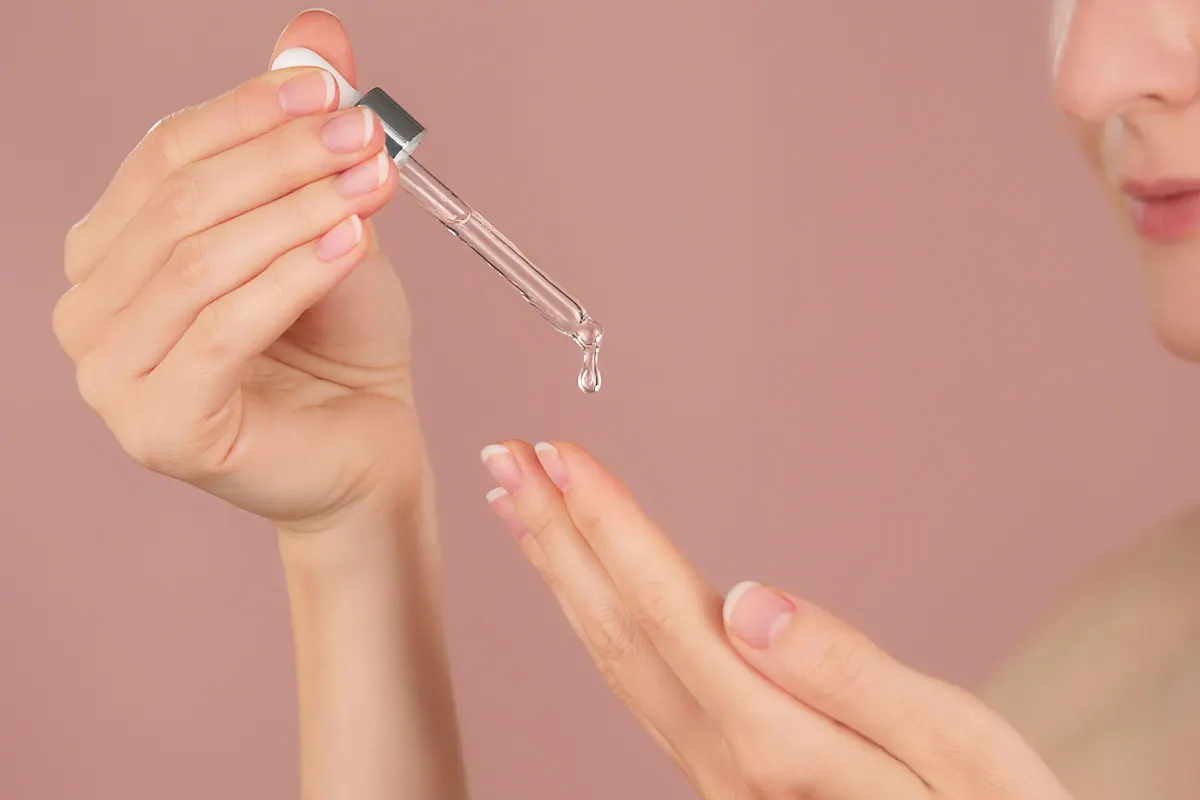
Women using testosterone cream or gel usually apply the measured amount to clean, dry skin on the back of the calf, the upper outer thigh or the buttock, as the ISSWSH guideline describes. Let it dry, wash your hands with soap and water, and keep the area covered. Testosterone can pass by skin contact to children, female partners and pets, so wash the site before close contact.
Who is this guide for?
This guide is for women whose clinician has already ordered a low-dose testosterone cream or gel, most often for distressing low desire after menopause. It covers where and how to apply it and how to protect the people around you. It does not cover how much to use: your clinician sets the dose, and you should follow their instructions and your product’s label exactly.
Two things are worth knowing at the start. First, no testosterone product is approved for women in the United States, so women use either a measured fraction of a men’s approved gel or a compounded cream, an off-label use the Global Consensus Position Statement considers reasonable only when blood levels stay in the female range. Second, the consumer information you will find, such as the MedlinePlus topical testosterone drug page, is written for men’s approved use and states the medicine is for adult men. The handling and safety advice in it still applies to you; the dosing does not.
Where on the body does it go?
On a patch of skin your clinician names, usually the back of the calf, the upper outer thigh or the buttock. Those are the sites the ISSWSH clinical practice guideline gives for topical testosterone in women, and it adds that the thigh should be treated at least an hour after shaving.
Men’s products come with their own site instructions. The AndroGel label, for example, directs men to the shoulders and upper arms and says not to use other areas such as the abdomen, genitals, chest, armpits or knees, and it notes that application sites are not interchangeable between topical testosterone products. If your clinician’s instructions differ from a printed leaflet, ask which to follow rather than guessing.
How do you apply it, step by step?
A consistent routine makes the dose more reliable and protects others. Drawing on MedlinePlus, the AndroGel label and ISSWSH:
- Choose your time. MedlinePlus advises applying topical testosterone after a bath or shower, so the skin is clean and you will not wash it off soon after.
- Check the skin. Use clean, dry, unbroken skin at the site your clinician named. Avoid cuts, rashes or freshly shaved skin.
- Measure exactly as instructed. Female doses are small, so use the same method every time. ISSWSH prefers resealable tubes to packets, because gel can evaporate from a packet once it has been opened.
- Spread it over the site. Work it evenly into the named area rather than leaving a thick layer in one spot.
- Let it dry. MedlinePlus says to allow a few minutes. Alcohol-based gels are flammable until dry, so stay away from flames and do not smoke while applying or until it has dried completely.
- Wash your hands. Use soap and water straight away, as ISSWSH, MedlinePlus and the AndroGel label all advise.
- Cover the site. Once dry, put on clothing that covers the area completely.
- Wait before water. Check your product’s instructions for how long to wait before showering or swimming; the AndroGel 1.62% label sets a minimum of two hours.
- Wash before close contact. If skin-to-skin contact is likely, wash the application site thoroughly with soap and water first.
If gel gets in your eyes, MedlinePlus says to rinse them right away with warm, clean water and call a doctor if irritation develops.
How do you protect children, partners and pets?
By keeping the application site covered and washed before anyone touches it. ISSWSH warns that testosterone can transfer from the application site to the skin of young children, female partners and pets you are close to, while the risk to a male partner is minimal. Long-term repeated exposure has caused virilization, body hair changes and acne in case reports of transfer from men to women and children.
The AndroGel label carries a boxed warning about this. Children who were exposed to testosterone gel through contact have developed signs including enlargement of the clitoris or penis, pubic hair, increased erections and libido, aggressive behavior and advanced bone age. The label also lists pregnancy as a contraindication and asks pregnant women to be aware of transfer risk.
| Person or animal | Why it matters | What to do |
|---|---|---|
| Young children | Highest concern; early puberty signs reported after exposure | Keep site covered; wash before cuddling or carrying |
| Female partner | Can absorb enough over time to cause acne or hair growth | Wash site before intimacy; cover it at night |
| Someone who is pregnant | Testosterone can harm a female fetus | Avoid any contact with the site |
| Pets | ISSWSH lists pets among those at risk | Keep pets off the site and your hands |
| Male partner | Risk described as minimal | Normal precautions are enough |
If someone does touch the unwashed site, MedlinePlus and the label advise washing their skin with soap and water as soon as possible.
A daily safety checklist
A short checklist helps the routine stick, especially in the first weeks:
- Same site area, same time, same measuring method each day
- Skin clean, dry and unbroken before applying
- Hands washed with soap and water right after
- Site dry before dressing, and covered by clothing
- No open flames or smoking until the gel is dry
- Site washed before skin-to-skin contact with anyone
- Tube capped tightly and stored out of children’s reach
How should you store and dispose of it?
Store it as you would any medicine a child must not find. MedlinePlus advises keeping topical testosterone in its original container, tightly closed, at room temperature and away from excess heat and moisture, which means not in the bathroom. Keep it somewhere safe so no one can use it by accident or on purpose, and keep track of how much is left so you would notice if any went missing.
When you no longer need it, MedlinePlus advises against flushing it and recommends a medicine take-back program; your pharmacist can point you to one. Because a tube can last many months at a female dose, check the expiry date as well; the cost guide for testosterone in women explains how long a supply usually lasts.
What should you watch for?
Watch for signs that the dose is too strong for you: greasier skin or breakouts, coarse hairs appearing on the chin or above the lip, a widening part or thinning crown, or a hoarse or deeper voice. ISSWSH reports acne and hair growth as the androgenic effects seen in trials and advises reducing the dose when they appear. Voice changes need prompt attention; the guide to testosterone side effects in women explains which changes may be lasting.
Changes in desire take time to appear. In trials, some women noticed improvement after about four weeks and the average effect came later, as the testosterone timeline in women describes. A pellet would avoid daily application but cannot be adjusted, which is one reason creams are preferred; the cream versus pellets comparison covers that trade-off.
When should you call your clinician, and when should you call 911?
Call your clinician, without waiting for your next appointment, if:
- You notice acne, new facial hair, scalp thinning or any voice change
- The skin at the application site becomes red, itchy or sore
- You think you might be pregnant
- A child or partner who has been in contact shows signs of exposure; MedlinePlus says to call the child’s doctor immediately for enlarged genitals, pubic hair or aggressive behavior
Call 911 if you have pain or pressure in the chest, trouble breathing, a fainting spell, sudden one-sided weakness or numbness, a drooping face or slurred speech. Go to emergency care now for a calf that is hot, swollen and painful, or for sudden chest pain with breathlessness, particularly if estrogen is part of your treatment.
How our clinic supports women using testosterone cream
At our clinic, women on testosterone apply a small daily amount of cream or gel, dosed to stay in the female range, with a baseline total testosterone and SHBG before starting and a level check six to eight weeks in. Your provider asks about acne, hair and voice changes at each review and adjusts the amount from your results and symptoms; you should not change it yourself. On test days, ask whether to apply before or after your blood draw.
Your provider’s plan follows the outline on our testosterone for women program page. If you are still deciding whether testosterone suits your symptoms, the symptom assessment is a quick place to start. It all starts with a free ten-minute call. Lab work is done in person in San Gabriel or Downey, and later reviews can be face to face or by video. Other practical guides are in the guides library. When you are set to begin, book a consultation.
