Comparison · Medical weight loss
Wegovy vs Ozempic: Same Drug, Different Approval and Dose
Short answer
Wegovy and Ozempic contain the same drug, semaglutide, made by the same company. Ozempic is approved for type 2 diabetes, with heart and kidney benefits in that group, and its weekly dose goes no higher than 2 mg. Wegovy is approved for weight management, heart risk reduction and a fatty liver disease, with weekly maintenance doses of 1.7 to 2.4 mg and an optional 7.2 mg.
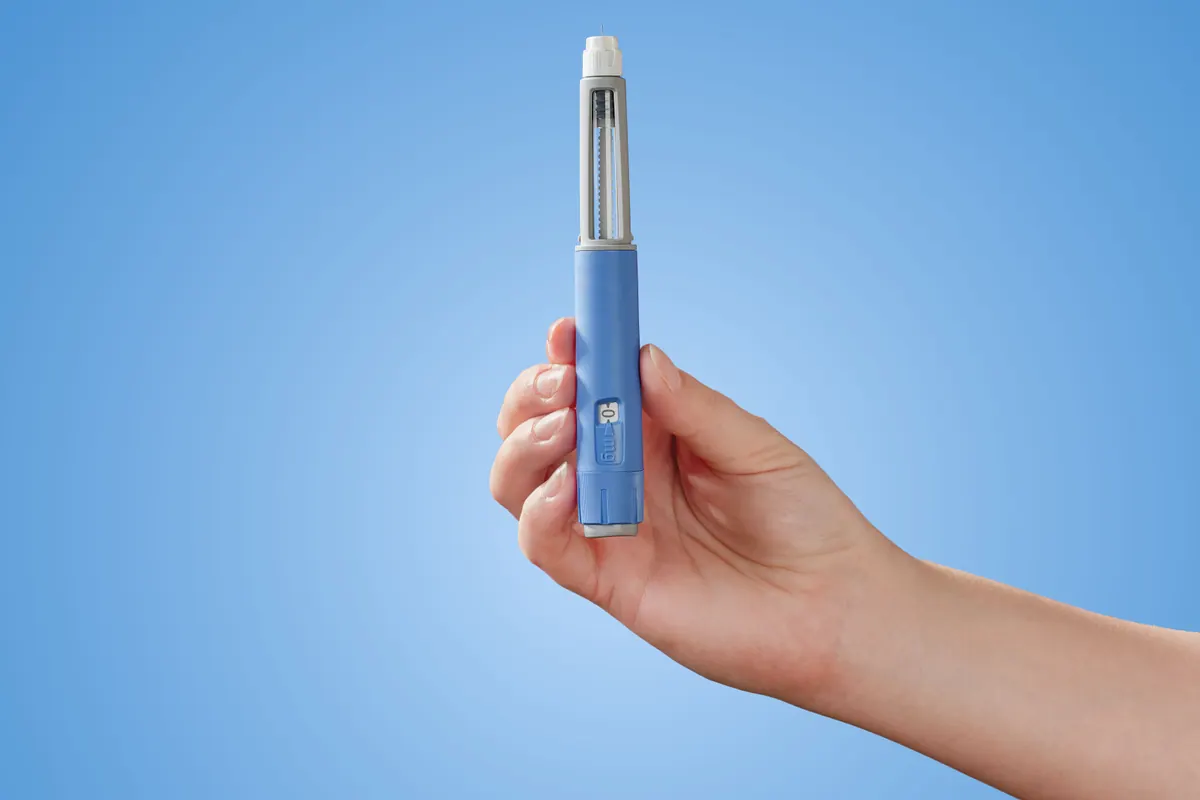
The verdict: one molecule, two jobs
If you have type 2 diabetes, Ozempic is the semaglutide brand approved to lower blood sugar and, in the right patients, to protect the heart and kidneys. If you do not have diabetes and your goal is weight, Wegovy is the brand approved and dosed for that purpose, and its heart-protection approval rests on a trial of people with cardiovascular disease who did not have diabetes. Neither is a stronger drug; they differ in labeled use, dose ceiling and device.
Wegovy and Ozempic compared line by line
The drug is identical; what changes from one column to the next is the approved use, the dose ceiling and the device:
| Wegovy | Ozempic | |
|---|---|---|
| Active drug | Semaglutide | Semaglutide |
| FDA-approved for | Weight management (adults, and teens 12 and older); heart risk reduction with cardiovascular disease and overweight or obesity; MASH liver disease | Blood sugar control in adults with type 2 diabetes; heart risk reduction in type 2 diabetes with cardiovascular disease; kidney protection in type 2 diabetes with chronic kidney disease |
| Weekly maintenance dose | 1.7 or 2.4 mg; up to 7.2 mg for some adults | 0.5, 1 or 2 mg |
| Highest weekly dose | 7.2 mg | 2 mg |
| Injection devices | Single-dose pens and syringes; a four-dose FlexTouch pen at 2.4 mg | Multi-dose pens; single-dose syringes at 0.25 to 1 mg |
| Missed weekly dose | Take it if the next dose is more than 2 days away | Take it within 5 days of the missed day |
| Tablet version | Wegovy tablets, 25 mg daily maintenance | Ozempic tablets for diabetes, up to 9 mg daily |
| Before a planned pregnancy | Stop at least 2 months ahead | Stop at least 2 months ahead |
Rows come from the Wegovy label and the Ozempic injection label.
How semaglutide works under either name
Both brands deliver the same peptide, which acts on GLP-1 receptors in the brain to reduce appetite, slows the stomach, and raises insulin when glucose is high. Both start at 0.25 mg weekly for 4 weeks to give the stomach time to adjust. From there they diverge: Ozempic steps to 0.5 mg and stops climbing unless blood sugar needs more, while Wegovy keeps climbing every 4 weeks toward a weight-loss dose. Our page on the semaglutide step-up schedule lays out each week.
The tablets add a twist. The Rybelsus and Ozempic tablet label covers two diabetes tablets that are not interchangeable milligram for milligram: Rybelsus at 3, 7 or 14 mg, and Ozempic tablets at 1.5, 4 or 9 mg. The Wegovy tablet for weight goes higher, to 25 mg daily, and is covered on our Wegovy pill page.
The devices change the routine more than people expect. An Ozempic pen holds several weekly doses, takes a fresh needle each time, and can be kept for 56 days after first use, either refrigerated or at room temperature up to 86°F. Most Wegovy pens hold one preset dose with a hidden needle; they live in the refrigerator and can sit unrefrigerated, up to 86°F, for up to 28 days before use. For women with diabetes and chronic kidney disease, Ozempic’s kidney-protection use calls for 1 mg weekly after at least 4 weeks on 0.5 mg.
Risks: the same warnings at different doses
The two labels share the same boxed warning about thyroid C-cell tumors in rodents, the same contraindication for a personal or family history of medullary thyroid carcinoma or for MEN 2, and the same core warnings: pancreatitis, gallbladder disease, low blood sugar with insulin or sulfonylureas, kidney injury from dehydration, serious allergic reactions, diabetic eye complications and aspiration during anesthesia.
The numbers differ because the doses and patients differ. In Ozempic’s placebo-controlled diabetes trials, nausea affected 20.3% of people on 1 mg versus 6.1% on placebo. In Wegovy’s weight trials at 2.4 mg, nausea affected 44% versus 16%. Neither label lets you compare those figures directly, but higher doses generally brought more stomach effects. Wegovy’s label also adds a dose-related skin sensation change, called dysesthesia, seen mostly at 7.2 mg.
Fast weight loss on either brand can change the face, a topic covered in our page on why “Ozempic face” happens.
Off-label use of Ozempic for weight, explained honestly
Ozempic is widely used for weight loss in people without diabetes. A 2023 review in Facial Plastic Surgery states plainly that Ozempic, approved for diabetes, is also used off-label for weight loss alone. Off-label means a clinician uses an approved drug for a purpose the FDA has not reviewed. It is legal, but the evidence and the dosing for that purpose come from somewhere else: in this case, the Wegovy trials, which tested doses Ozempic does not reach.
For weight management without diabetes, using the brand that was tested and approved for it keeps your dose, your device and your label instructions aligned. It also matters for missed doses, since the two labels give different windows.
Coverage and cost: why the two are treated differently
Insurance decisions follow approved use more than chemistry. NIDDK notes that some, but not all, plans cover medicines for overweight and obesity, and suggests calling your plan to ask. A plan may cover Ozempic for diagnosed type 2 diabetes and still exclude Wegovy as a weight drug, or cover Wegovy only for its heart indication. The details sit in your plan’s drug list and prior authorization rules, not in the label.
The same logic applies to the tirzepatide pair, which we compare on our Zepbound versus Mounjaro page. More paired comparisons are in the compare library.
How a clinician helps you decide
The questions that decide between the two are simple to list: do you have type 2 diabetes, kidney disease or established cardiovascular disease; what does your plan cover; are you planning a pregnancy in the next year; and how have you handled GLP-1 side effects before. If you are not sure which of those applies, start with our quick health assessment.
At our clinic, semaglutide is part of the medical weight loss program as a weekly injection. Your provider reviews your history and diabetes status, orders A1c, fasting insulin, lipids, thyroid and kidney labs, and explains which product and dose path fits the use you actually need it for. Monthly check-ins follow. Book a consultation to go over it with a provider, after a free ten-minute call.
