Answer · Sexual wellness
Does the O-Shot Work? Evidence, Risks and FDA Status
Short answer
The evidence is too weak to say. A 2023 systematic review found only small studies of platelet-rich plasma (PRP) for female sexual problems, none of them randomized against a placebo, and concluded that safe conclusions about effectiveness cannot be drawn. Serious side effects were not reported. PRP preparation systems are FDA-cleared for bone graft handling, so injecting PRP for sexual function is an unapproved use.
What is the O-Shot?
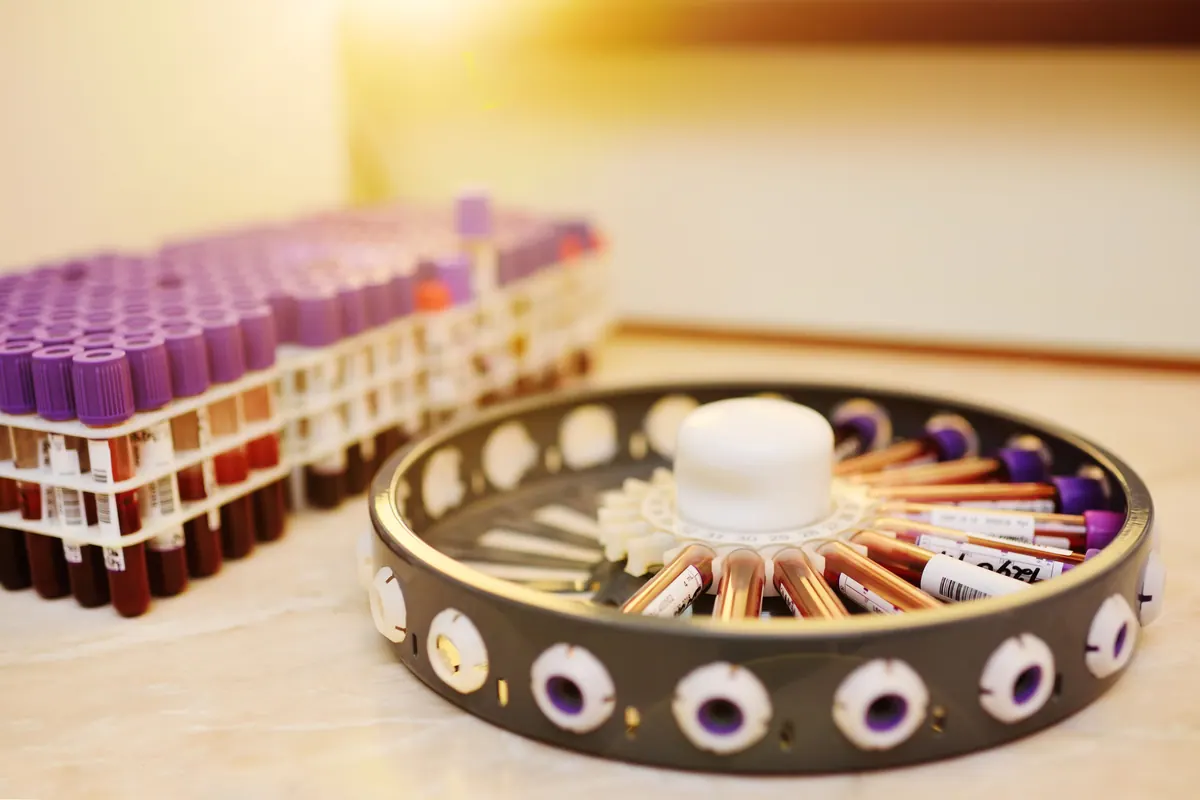
The O-Shot is the name commonly used for platelet-rich plasma (PRP) injected into the clitoral area and the front wall of the vagina. Blood is drawn from your arm, spun in a centrifuge to concentrate the platelets, and the platelet-rich portion is injected back. The idea is that growth factors in platelets encourage new blood vessels and collagen, improving sensation and lubrication.
The details vary a lot from clinic to clinic. A review in the International Journal of Reproductive BioMedicine, Role of platelet-rich plasma in pelvic floor disorders, found centrifuge speeds and times differing between almost every study, and injections given into the anterior vaginal wall and the clitoris for sexual problems. A second review, in Biomedicines, reported platelet concentrations from 1.6 to 6 times blood levels and several different commercial kits.
What does the research show for sexual function?
The research is small and mostly without comparison groups. The Biomedicines systematic review of PRP for female sexual dysfunction and stress incontinence, which searched three major databases to January 2023, found 12 eligible studies with 327 women in total. For sexual dysfunction there were five studies, four prospective and one retrospective, and every one was single-arm: all participants received PRP and no one received a placebo or another treatment.
Those studies did report improvement. One found Female Sexual Function Index scores rising from 14 to 28 after treatment; another reported a mean gain of 5.5 points; a third showed better vaginal health and lower distress scores at six months. But the authors’ conclusion was cautious: because of clinical heterogeneity, “safe conclusions about the efficacy of PRP cannot be drawn,” the level of evidence was low, and PRP is not in current guidelines because randomized trials are lacking. They suggested it be used in an investigational setting.
Without a comparison group, it is impossible to separate the effect of PRP from expectation, attention and the natural ups and downs of symptoms. That gap is why a sham-controlled trial matters, and none existed for sexual function when the review was done.
Is the O-Shot FDA-approved?
No. The devices used to make PRP are regulated as medical devices with a narrow intended use. The FDA’s product classification for platelet and plasma separators defines them as devices for preparing PRP from a small sample of a patient’s own blood “for mixing with bone graft to improve handling characteristics,” cleared through the 510(k) process.
Injecting that PRP into genital tissue to treat sexual function is therefore not an FDA-approved use. That does not stop clinics from offering it, but no agency has reviewed evidence that it works for this purpose.
What are the risks?
Reported side effects were rare and mild, but few studies looked carefully. The Biomedicines review found no serious adverse events, with minor events in under 1% of treated women (3 of 317). Two women in one sexual function study had episodes of extreme sexual arousal during treatment, including continuous arousal and spontaneous orgasm, and one woman treated for incontinence had temporary difficulty passing urine that needed self-catheterization for several days. All resolved without further treatment.
The review also notes that only two of its studies reported adverse events at all, so the true rate is uncertain. Practical downsides include a blood draw, injections into sensitive tissue, the possibility of several sessions, and paying out of pocket for an unproven treatment.
If you cannot pass urine at all after a procedure, or develop fever with pain in your side or back, get urgent care the same day.
Who might reasonably try it?
A woman who has already tried the treatments with stronger evidence, understands that PRP’s benefit is unproven, and accepts the cost and uncertainty. Those better-tested options come first:
- Lubricants for sex and regular vaginal moisturizers for dryness
- Low-dose vaginal estrogen, which the Menopause Society’s hormone therapy guidance from 2022 says improves sexual function in postmenopausal women with genitourinary symptoms
- Vaginal DHEA or oral ospemifene, the non-estrogen options the same statement lists for painful sex after menopause; our page on DHEA supplements and the vaginal form explains the difference
- Pelvic floor therapy for pain or weakness
- Testosterone after menopause, when distressing low desire is the main problem
PRP is also used for hair loss, a separate question with its own body of evidence; our answer on whether PRP works for hair loss covers that use. Our symptom assessment is a quick way to see which of these applies to you first.
What should you ask before having it?
Ask enough to know exactly what you are getting and how you will judge it:
- Which PRP kit is used, and how is the sample prepared?
- How many sessions are planned, and how far apart? The most common protocol in the review for sexual dysfunction was 2 mL injected into the lower front vaginal wall once a month for three months.
- How will we measure whether it worked, and when?
- What happens if nothing changes after the planned sessions?
- What is the total cost, including any repeat treatments?
Our page on what drives the cost of the O-Shot explains each component and why insurance does not cover it.
How our clinic offers PRP
PRP (the O-Shot) is part of our clinic’s sexual wellness care, and we describe the evidence for it as early, because it is. Before PRP is considered, your provider goes through the better-supported treatments on our sexual wellness page, which start with tissue care for dryness and pain, run through pelvic floor work, and reach testosterone for women past menopause whose low desire is distressing.
If you still choose PRP after that conversation, the free ten-minute phone call and a consultation come first, and the blood draw and injections are done at our San Gabriel or Downey clinic. You will know the planned number of sessions, how results will be judged and the total cost before anything starts. More evidence-based answers are in the answers library. To discuss whether it is worth trying for you, book a consultation.
